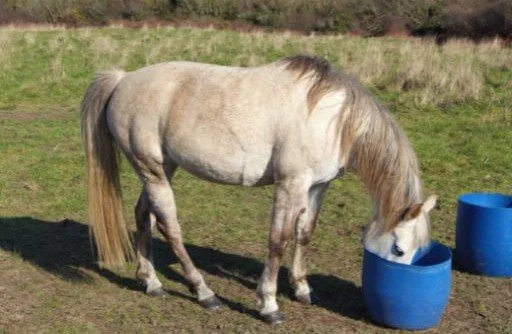
Why Water Matters, Especially During Summer
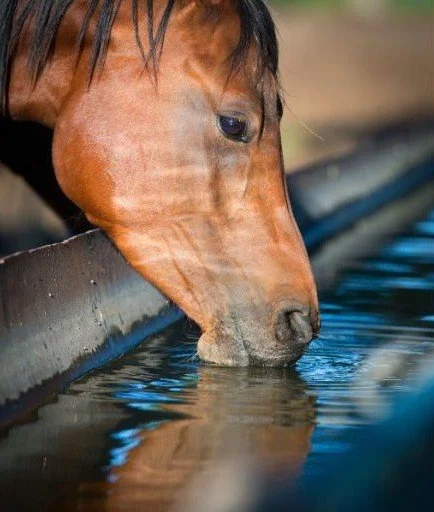
It’s the Most Important Nutrient Your Horse Needs—and One We Often Overlook
As the summer weather starts heating up, most of us are thinking about the fun parts of horse ownership. Trail rides. Horse shows. Long afternoons in the saddle. Maybe even just sitting in the pasture and soaking up the sunshine with our favorite horse nearby.
But while we’re focused on fly spray, electrolytes, and scheduling rides before the heat index climbs too high, there’s one thing that deserves far more attention than it usually gets:
Water.
Not grain.
Not supplements.
Not hay quality.
Water is the single most important nutrient your horse consumes.
And when hydration becomes compromised, things can go downhill fast.
A horse can begin experiencing health complications within 24–48 hours of inadequate water intake. Severe dehydration can become life-threatening in just a few days. That’s why understanding your horse’s hydration needs isn’t just good management — it’s essential horsemanship.
Why Is Water So Critical to Your Horse’s Health?
A horse’s body is made up of roughly 70% water and that water supports nearly every major function in the body, including:
Lubricating joints through synovial fluid
Regulating body temperature
Supporting digestion
Transporting nutrients
Flushing waste products through urine and feces
Preventing intestinal impactions and dehydration-related colic
Without enough water, the digestive tract begins to dry out. Feed material becomes harder to move through the gastrointestinal tract, increasing the risk of impactions and colic — one of every horse owner’s biggest fears.
So during the summer months, hydration becomes even more important.
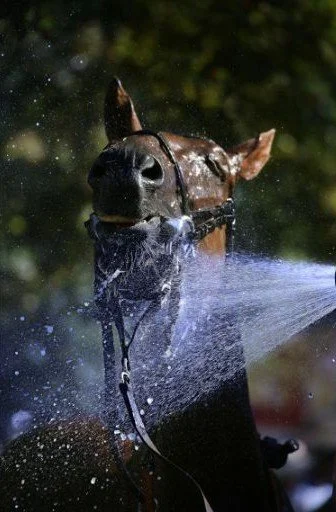
In hot months horses rely on sweat to cool themselves.
As sweat evaporates off the skin, it creates a cooling effect that helps regulate body temperature. In fact, horses can remove up to 30% of their body heat through this process.
But here’s the problem:
If a horse becomes dehydrated, they lose the ability to sweat efficiently.
That means heat begins building inside the body rapidly, increasing the risk of:
Performance decline
Dangerous electrolyte imbalances
Heat stress
Heat exhaustion
Heat stroke
Death
A horse doesn’t have to be working hard to become dehydrated, either. Standing in a hot pasture, hauling in a trailer, or simply enduring humid weather can significantly increase water loss.
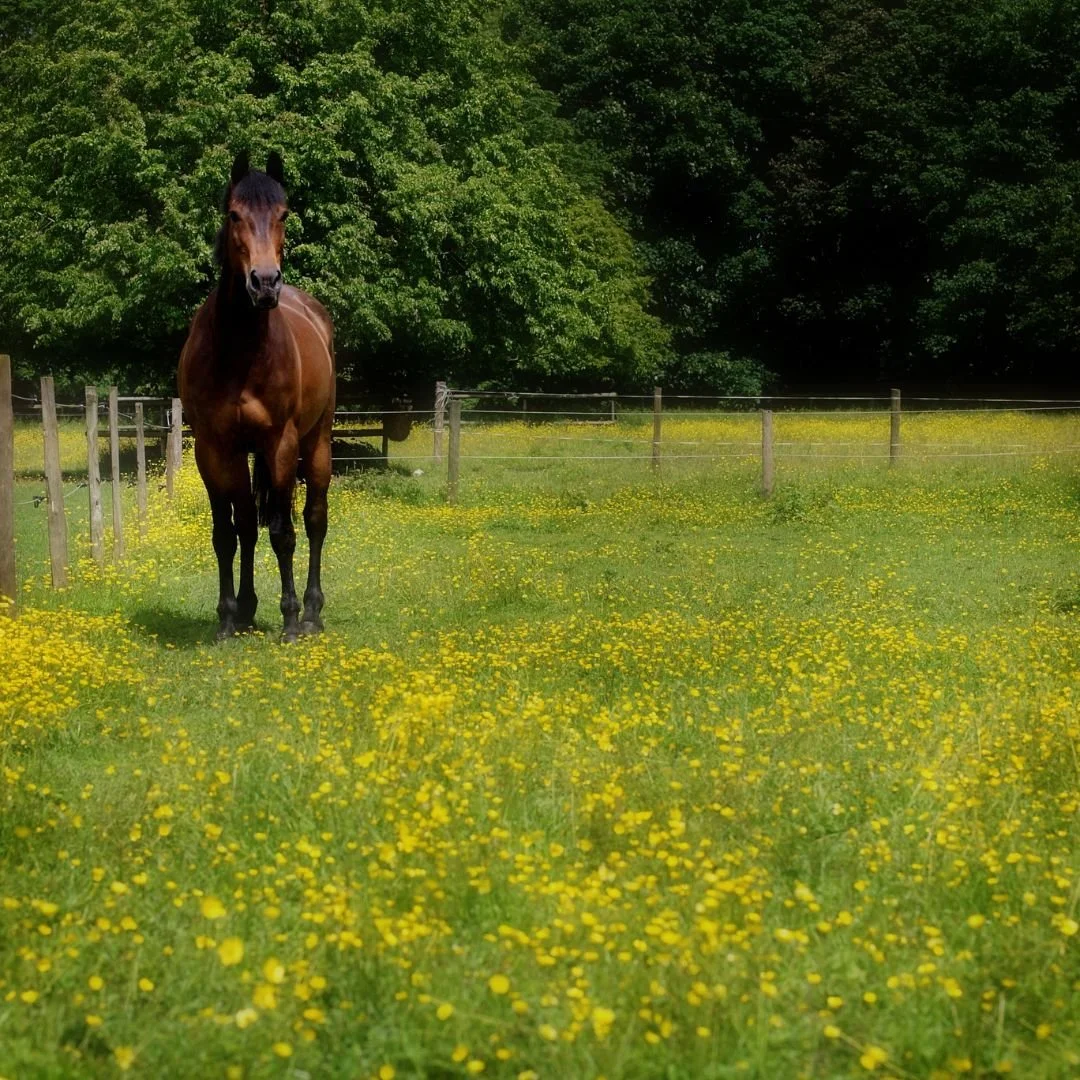
“My Horse Isn’t Drinking Much” — Here’s Why
During spring and early summer, pasture grass often contains a surprisingly high amount of moisture — sometimes up to 80%.
That means horses grazing lush pasture may naturally drink less from their water buckets because they’re already consuming water through forage.
But as summer progresses and pasture dries out, things change quickly.
Dry grass contains far less moisture. At the same time, horses are sweating more due to heat and activity. That combination dramatically increases water needs.
So even if your horse seemed “fine” drinking less earlier in the season, hydration demands may now be much higher than you realize.
The Surprisingly Simple Bucket Trick That May Encourage Drinking…
Here’s a fun piece of science many horse owners haven’t heard before.
Researchers believe horses have dichromatic vision, meaning they primarily see shades of blue and yellow rather than the full spectrum humans see.
,In one study, horses showed a preference for drinking from:
Light blue buckets
Turquoise buckets
Light green
Green
Yellow
Red and dark colored buckets (least preferred)
So if your horse tends to be a picky drinker?
Try switching to a turquoise or light blue water bucket. Hey, it’s worth a shot, right?
Sometimes the smallest environmental changes make a surprisingly big difference.
Cold Weather Can Affect Hydration Too
Hydration problems aren’t limited to summer.
When temperatures drop below about 45°F, horses often reduce their water intake — even if fresh water is available.
Many horses prefer the taste of cold water but end up consuming less volume overall when water temperatures drop too low.
Offering slightly warmed water during winter can help increase intake volume and reduce the risk of cold-weather impaction colic.
Here’s a link to my favorite heated water bucket. And let’s all remember common sense should always prevail when combining water, electricity, and horses.
Keep cords safely out of the reach of curious lips
Protect plugs from environmental water and humidity
Only use properly working GFCI outlets
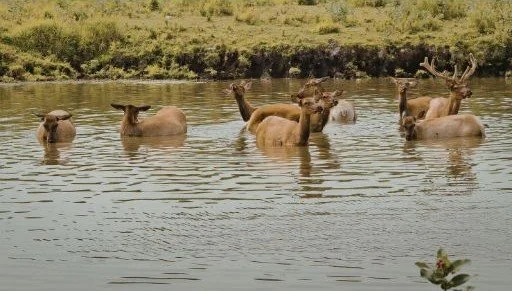
Don’t rely on natural water sources alone
Ponds, creeks, and streams may seem like a natural hydration option, but they come with risks.
Seasonal weather changes can alter water quality quickly through:
Algae blooms
Pollution runoff
Drought concentration
Mud accumulation
Ice formation
Changes in mineral content and taste
And sometimes horses simply stop drinking from a natural source because of a bad experience.
A snake encounter.
A slipping incident.
Getting startled by wildlife.
It doesn’t take much for a horse to become hesitant around a water source.
That’s why every horse should have access to a clean, reliable, safe water supply you can monitor.
The Hidden Problem With Automatic Waterers
Automatic waterers are incredibly convenient.
They reduce algae buildup.
They save time scrubbing buckets.
They keep water cleaner overall.
But they also come with a downside many owners overlook:
You lose the ability to monitor water intake.
And decreased water consumption is often one of the earliest warning signs or causes of:
Illness
Stress
Gastric upset
Dehydration
Impaction colic
There’s another issue too.
Horses typically only spend about 5–10 minutes per day actively drinking.
If an automatic waterer refills too slowly, some horses simply walk away before drinking enough.
When choosing an automatic water system, consider one with:
A larger surface area
Faster refill rates
Enough standing water to encourage consistent drinking
Grazing Muzzles and Water Access
If you use a grazing muzzle for an easy keeper, always double-check that your horse can comfortably and safely drink while wearing it.
Water intake should never be compromised by equipment.
A poorly fitted muzzle can:
Restrict access to water
Cause frustration around drinking
Increase dehydration risk during hot weather
When in doubt, test it yourself and observe your horse closely.
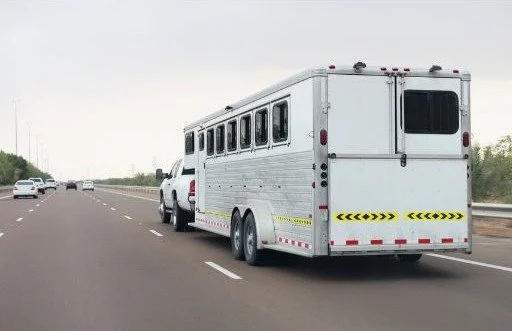
Traveling? Your Horse Needs Water More Often Than You Think
Summer hauling season can be incredibly dehydrating.
Between balancing in the trailer, stress, heat buildup, and sweating during transport, horses lose more fluid than many owners realize.
A good rule of thumb?
Offer water every 3 hours during travel and allow 20-30 minutes for rest.
Some horses won’t drink well on the road, so making water more appealing can help.
Try offering:
Wet beet pulp mash
Soaked alfalfa pellets
A sloppy grain mash
Added electrolytes or salt
Commercial hydration mashes
Handimash by Hallway is one of my favorites and can even be used with just a handful per gallon
Even a small increase in fluid intake can make a big difference.
Why Horses Refuse Water Away From Home
Ever notice your horse drinks perfectly at home but barely touches water at a show or campground?
Often, it’s not stress alone.
It’s the taste and smell of unfamiliar water.
One helpful trick is introducing a consistent flavor additive at home before traveling.
Some horses do well with:
Apple cider vinegar
A splash of apple juice
Small amounts of Gatorade
A handful of alfalfa pellets in water
Any number of commercial taste tempters
The familiar scent can help mask the taste of new water sources and encourage drinking away from home.
And yes — sometimes bringing water from home is still the best solution.
How to Check Your Horse’s Hydration Status
Hydration assessment doesn’t always require lab work or advanced equipment.
There are several simple checks every horse owner should know.
1. Capillary Refill Time
Lift your horse’s upper lip and gently press your thumb into the gums.
When you release, the gums should return from white to healthy pink in less than 2 seconds.
Longer refill times may indicate dehydration or circulation concerns.
2. Skin Pinch Test
Pinch a small section of skin near the shoulder and release it.
The skin should snap back quickly — ideally within 2 seconds.
Slow return can indicate dehydration.
3. Check Gum Moisture
Healthy gums should feel slick and moist.
If the mouth feels sticky or tacky, dehydration may already be developing.
4. Watch Urine Color
Normal urine should appear pale yellow to nearly colorless.
Dark, concentrated urine can signal inadequate hydration.
The Bottom Line
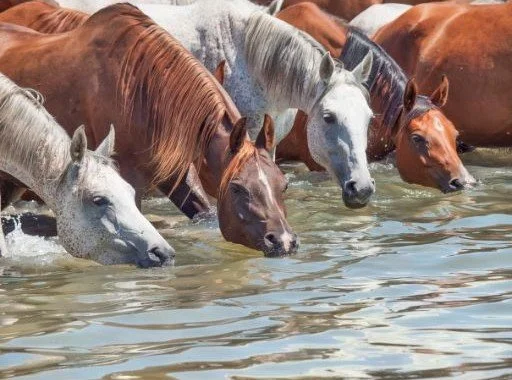
Water isn’t just part of your horse’s routine.
It the foundation of your horse’s health—yes, even more important than those expensive supplements you just bought.
During the summer months especially, hydration affects everything from digestion and performance to temperature regulation and overall health.
So pay attention to the little things:
Monitor intake closely
Keep water clean and accessible
Encourage drinking during travel
Watch for early dehydration signs
Don’t assume pasture moisture is enough